
Reflections from the Deaf Academy: Identity, Design and 200 Years of Deaf Education
Recently, I had the privilege of visiting the Deaf Academy in Exmouth, where I was invited to take part in a “Change Makers” panel alongside colleagues from across the Deaf sector.
The panel brought together a range of voices, including representatives from organisations such as the British Deaf Association (BDA), the National Deaf Children’s Society (NDCS), the Royal Association for Deaf people (RAD), and individuals such as Yvonne Cobb, a well-known Deaf BBC presenter. It was an honour to be part of such a group, representing Deaf Action within that wider conversation.
The visit formed part of a very special occasion, the Academy’s 200th anniversary.
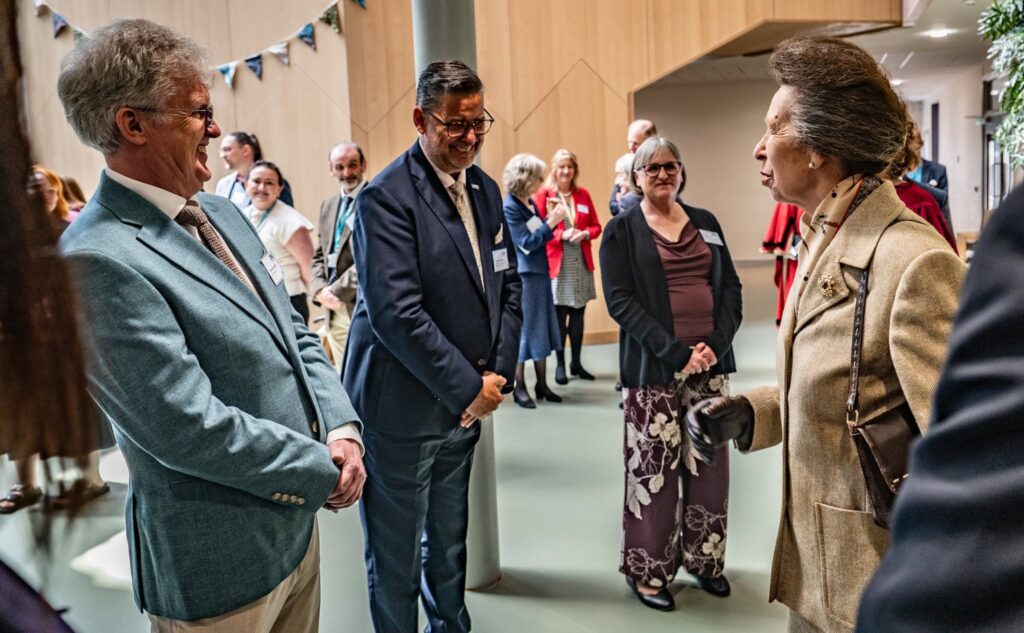
It was an inspiring day from start to finish, bringing together Deaf young people, educators, trustees, civic leaders and partners, alongside a visit from Her Royal Highness The Princess Royal. It was a celebration not just of history, but of the future of Deaf education.
 A milestone that makes you reflect
The Deaf Academy is celebrating 200 years, a remarkable milestone that speaks to the long history of Deaf education in the UK.
As someone leading Deaf Action, founded in 1835, it was a moment that made me reflect on how deep those roots run across our community, and how that legacy continues to shape the work we do today.
Standing alongside colleagues from different organisations on the panel also reinforced something important, that while we may each represent different organisations, we are all working towards the same goal: improving outcomes, opportunities and recognition for Deaf people.
A modern space designed for Deaf people
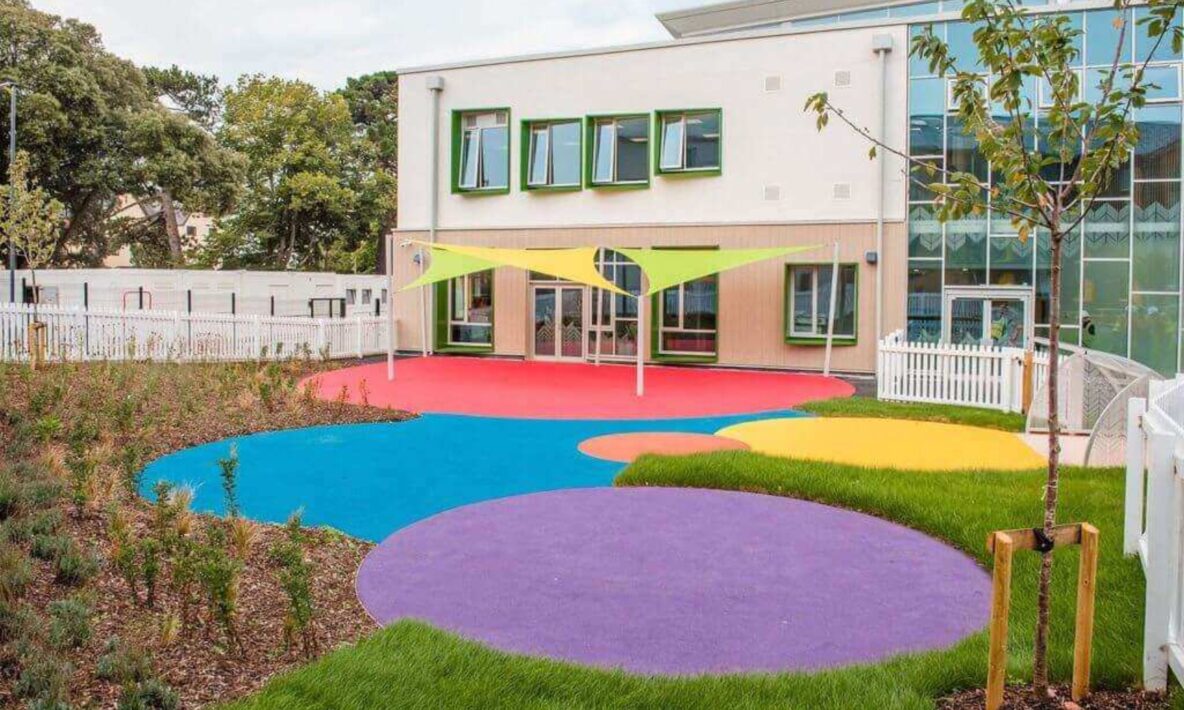
Another highlight of the visit was seeing the Academy’s purpose-built campus, which opened in 2020.
While the organisation itself carries 200 years of history, the building represents something very current: a modern environment intentionally designed for Deaf people from the ground up.
One feature stayed with me in particular: the corridors.
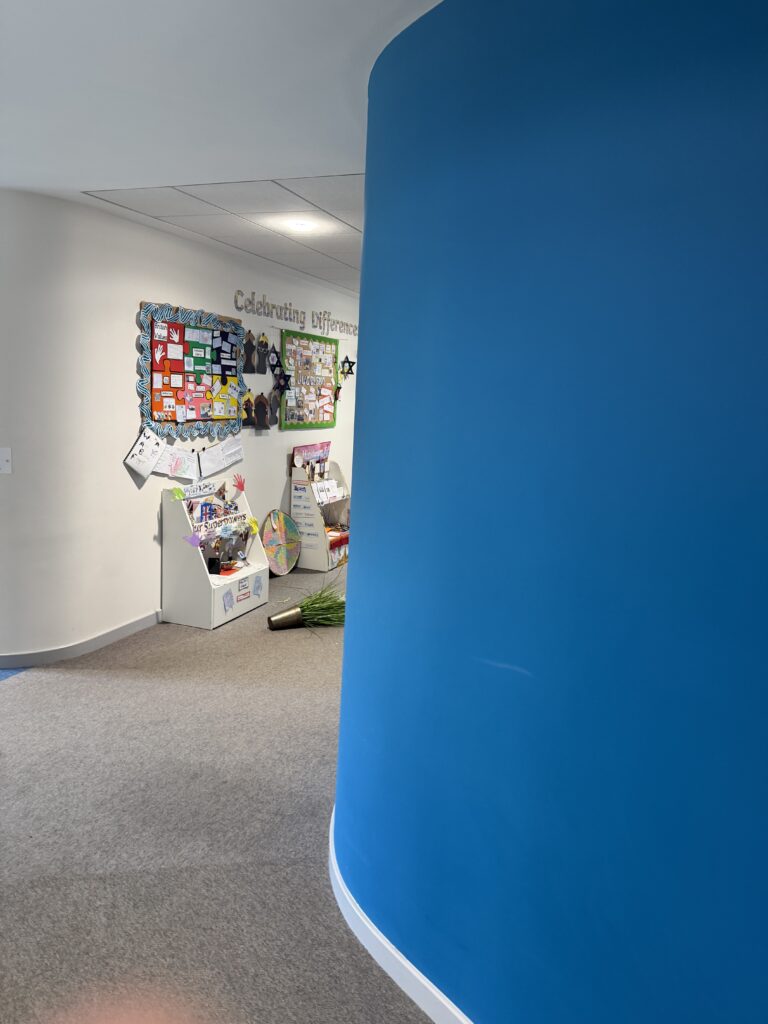 Rather than traditional sharp corners, the corridors are curved. It is a small but powerful detail, it means people can see who is coming before turning a corner, avoiding those everyday collisions that hearing people often prevent naturally through sound.
It’s a simple example, but it speaks volumes. When Deaf people are central to design, environments become safer, more intuitive, and more accessible. It is exactly the kind of thinking we need more of,not just in education settings, but across public spaces more broadly.
Connecting past and present
Visiting a purpose-built Deaf space also prompted reflection on our own building at Albany Street.
While very different in age and design, our building is rooted in Deaf history. Parts of it, including the former church space, were created with Deaf people in mind: considering sightlines, light, and the ability to see and connect with others in a shared environment.
As we now move into the next phase of our refurbishment, the focus is not only on modernising the space, but also on strengthening accessibility, celebrating heritage, and ensuring the building continues to serve the Deaf community into the future.
Spending time at the Deaf Academy, particularly in a space so thoughtfully designed for Deaf people, has given me real inspiration. It shows what is possible when Deaf experience is placed at the centre of design, and that is something we will continue to reflect on as we shape our own plans at Albany Street.
The panel and the power of young voices
For me, the most powerful part of the day was the panel itself.
What made it unique was that Deaf young people were given the first opportunity to ask questions. Their curiosity, honesty and openness shaped the conversation in a very real and meaningful way.
One question, in particular, has stayed with me:
“Do you ever wish you were hearing?”
It is a question that makes you pause. It makes you consider what experiences might have led a young person to ask it, and what messages they may have encountered about deafness and identity.
As a panel of Deaf adults, representing different organisations and perspectives, our response was immediate and clear: no.
Not because we dismissed the question, but because we wanted to challenge what sits behind it. Being deaf is not something to fix, it is part of who we are.
We spoke about Deaf identity as a positive, about language, culture and community, and about the value of shared experience. It was important to show that there are different ways of being, and that Deaf young people should feel confident in their own.
Why environments like Deaf Academy matter
That moment reinforced something very important.
Places like Deaf Academy are not just about education, they are about environment, identity and belonging.
They create spaces where Deaf young people can:
- See themselves reflected in others
- Build confidence through shared experience
- Develop language and communication naturally
- Grow up understanding that being deaf is not a limitation, but simply a different way of experiencing the world
Peer support plays a huge role in this. Being surrounded by other Deaf people, particularly at a young age, can have a lasting impact on confidence, identity and aspiration.
Looking forward
While the day marked 200 years of history, it also prompted thinking about the future.
There is still work to do to ensure Deaf children have consistent access to language, community and opportunity from the earliest stages of their lives.
What was encouraging was seeing how collaboration across organisations, educators, and Deaf leaders continues to play a role in shaping that future.
Final reflections
I left the visit feeling genuinely inspired, not only by the scale of the celebration or the presence of distinguished guests, but by the young people themselves.
Their questions, their honesty, and their engagement are exactly what the sector needs as we look ahead.
Above all, the day was a reminder that our role as organisations, leaders, and communities is to ensure that Deaf young people grow up knowing that they belong, that they are valued, and that their futures are full of possibility.
You can take a look at the Deaf Academy 2026/27 prospectus here.
Discover other CEO blog posts here.