
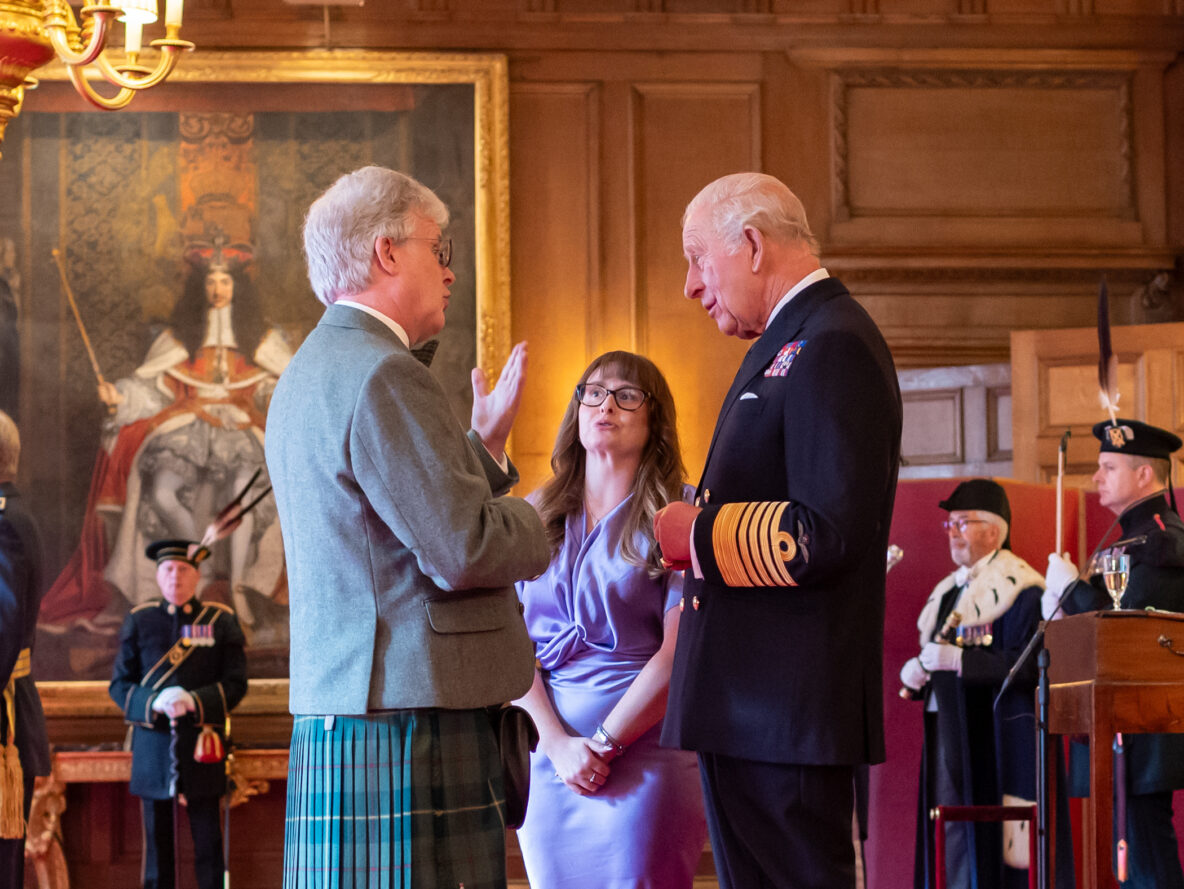
A personal honour
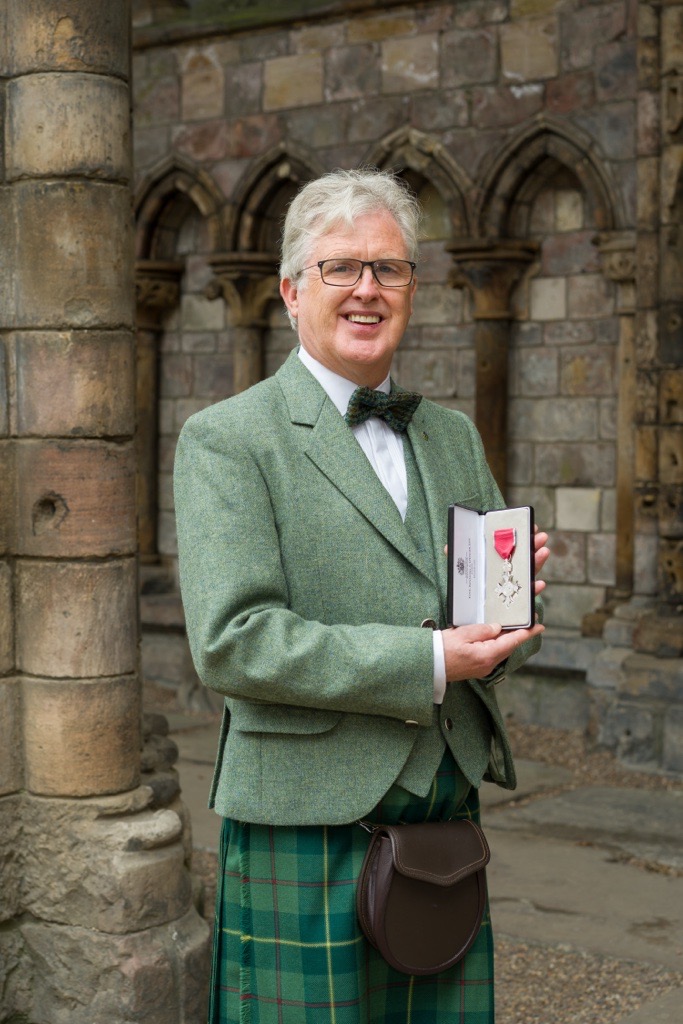
When I learned that I had been awarded an MBE (Member of the Order of the British Empire) in the 2026 New Year Honours List, I felt deeply honoured, humbled and grateful.
The first thing I thought was of the person who took the time and care to nominate me. I will always appreciate that. But I also felt something else very strongly: this recognition is not just about me.
It reflects a much wider journey, one that belongs to the deaf community, to deaf-led organisations, and to everyone who has worked tirelessly to push for equality, access, and recognition.
While the MBE is a personal honour, I believe its benefits can be far-reaching across the deaf sector. It shines a spotlight on the reality that, despite progress in legislation and policy, inequality still exists, and the work of organisations like Deaf Action remains essential.
When the honour was confirmed, I was told it recognised my contribution across three areas:
- services to the deaf community
- cultural inclusion
- disability rights
For me, those three themes are closely connected. They reflect not only my own journey, but the lived experience of deaf people across Scotland and the UK. They also reflect the values that Deaf Action stands for as a deaf-led organisation.
Sport, equality, and the fight to be recognised
One area close to my heart is sport.
In 2003, I co-founded UK Deaf Sport, and over the years I have had the privilege of serving as Treasurer, Vice Chair and Chair. I remain proud to be Honorary Vice-President today.
UK Deaf Sport has spent more than two decades working to ensure deaf people can enjoy sport at both recreational and elite levels, and to raise awareness of the barriers deaf athletes continue to face in mainstream sporting environments.
One of the clearest examples is the ongoing fight for fair recognition and funding. Deaf athletes competing at the highest level continue to face significant inequality, particularly when compared to the support available for Olympians and Paralympians. I am delighted to see progress being made through UK Deaf Sport’s current dialogue with the UK Government, calling for action to address the disparity in government funding of the GB Deaflympics team compared to other elite disability sport groups.
It takes persistence, evidence, and collective advocacy to shift these conversations, but change is possible.
I was also delighted that Deaf Action supported one of our managers to attend the Deaflympics in Japan in 2025 as manager of Team GB Golf. Seeing individuals succeed and represent their country is rewarding, and a reminder that long-term work really does create opportunities.
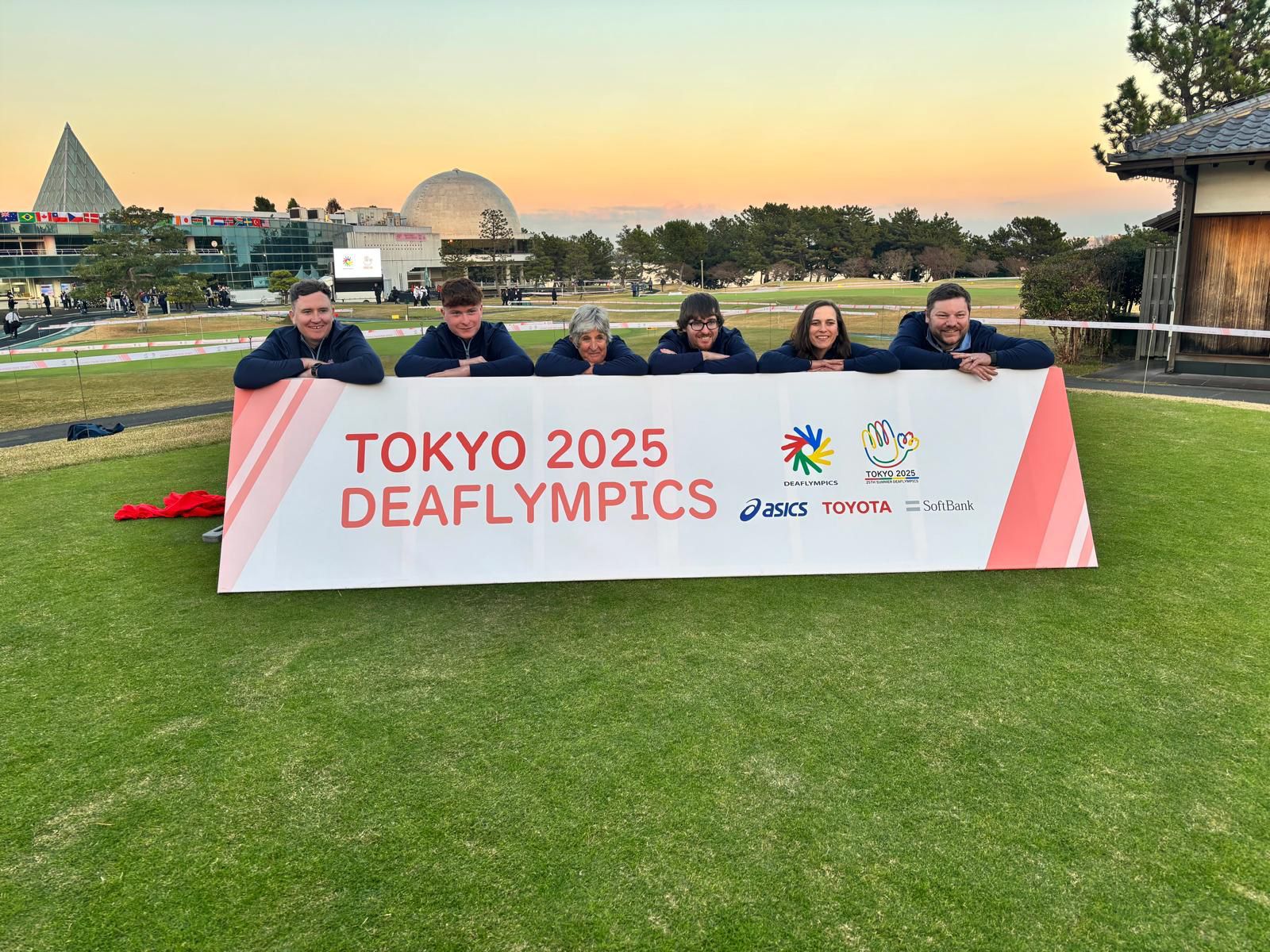
My dream is to see the UK (and specifically Scotland) host the Deaflympics in the future. Cities such as Glasgow, with its experience of delivering major international events like the Commonwealth Games, would be an incredible host and a powerful stage for deaf athletes and deaf culture.
Celebrating deaf culture: Edinburgh Deaf Festival
Deaf Action is also the founder of Edinburgh Deaf Festival, which began in 2022 and has helped put Edinburgh, and Scotland, on the international deaf map.
The festival is unique. It provides a dedicated Deaf Festival that celebrates deaf culture, language and heritage, while sitting proudly alongside Edinburgh’s world-famous mainstream festivals.
It supports deaf artists, creates a space where deaf people can fully participate, and also encourages hearing audiences to engage with deaf culture. To learn, to experience, and to connect.
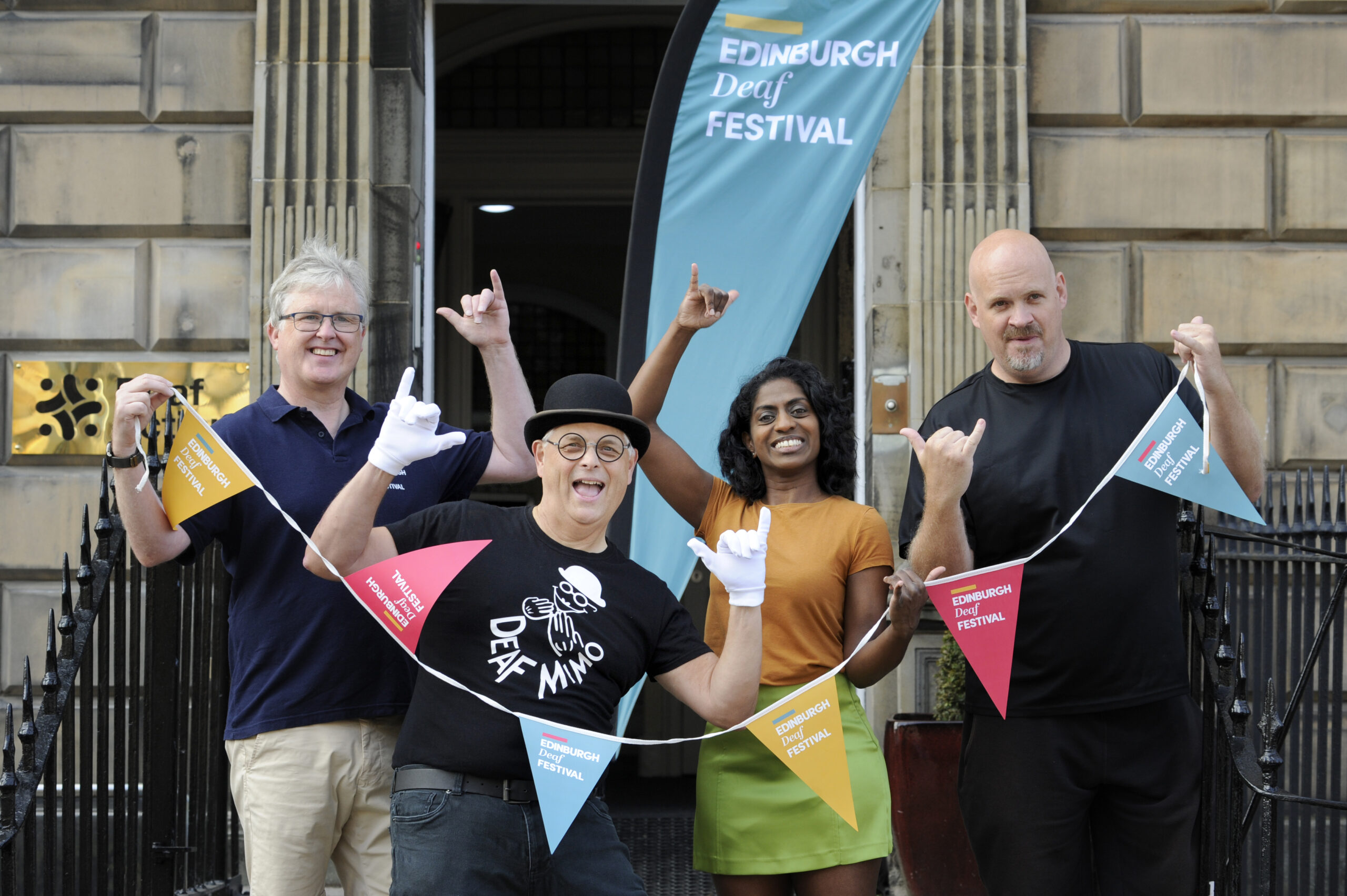
The impact has been significant. For example, the number of interpreters booked for other festival shows increased by 70%, showing how Deaf Action’s work can influence the wider cultural landscape.
Without Deaf Action’s work, many deaf people would still have little or no access to one of the largest cultural events in the world.
Isolation and exclusion have serious impacts on wellbeing and mental health, so the importance of cultural inclusion should never be underestimated.
Local services are a lifeline — and they are under threat
It is not just about big events and global platforms.
For many deaf individuals, local deaf organisations like Deaf Action are a lifeline. Access to wider society is still limited, because generic services often do not provide BSL access or cultural awareness.
Deaf Action is a national deaf-led charity, delivering services and support across Scotland and beyond. However, many of the barriers deaf people face are experienced locally in communities, workplaces, GP surgeries, hospitals, schools and social work systems.
That is why our local service delivery is so important. Deaf people need support to ensure their voices are not lost, their rights are upheld, and they are treated with dignity.
Yet at the same time, local services are being squeezed.
In Edinburgh, shrinking council budgets have had serious consequences. Deaf people have lost access to specialist social work, specialist equipment support, deaf-led community support and crisis prevention services, and clear accessible safeguarding routes.
These are not small issues. They are fundamental protections.
Deaf Action has been clear in campaigning about the impact of these cuts because equality cannot exist when access is removed.
Why awareness still matters
Even now, a lack of deaf awareness is still prevalent across society.
Deaf Action was had been made aware of a deaf woman admitted to hospital after a stroke who was initially thought to be unable to communicate. Her deafness was not identified and no interpreter was brought in. A Do Not Resuscitate decision was added to her record without proper communication or consent.
Only when one of our Community Care Assistants visited and communicated with her in BSL was the misunderstanding corrected.
This is a shocking example, but sadly, not an isolated one.
It demonstrates why Deaf Action, and organisations like us, still need to be here. It also shows why deaf-led services are not optional extras. They are essential.
What the MBE means for Deaf Action
The MBE also gives credibility to Deaf Action’s leadership as a whole.
I hope that on a local and national level, this recognition helps strengthen confidence among funders, commissioners and partners in Deaf Action’s work, stability and direction.
Ultimately, that means more opportunities to secure project funding, develop services, and continue supporting the deaf community.
The award and the attention that comes with it should be embraced. Not for personal celebration, but as a tool to open doors, influence conversations, and shine a spotlight on the barriers that still exist.
A shared honour
I want to end by saying this clearly: I do not see this MBE as mine alone.
I see it as recognition of the deaf community, of Deaf Action’s work, and of the many individuals who have spent years advocating, campaigning, supporting, and leading.
There is still much to do, but together, we will keep breaking down barriers, strengthening deaf equality, and ensuring deaf people are seen, heard, and valued.
Thank you for your support, and thank you for being part of this journey.
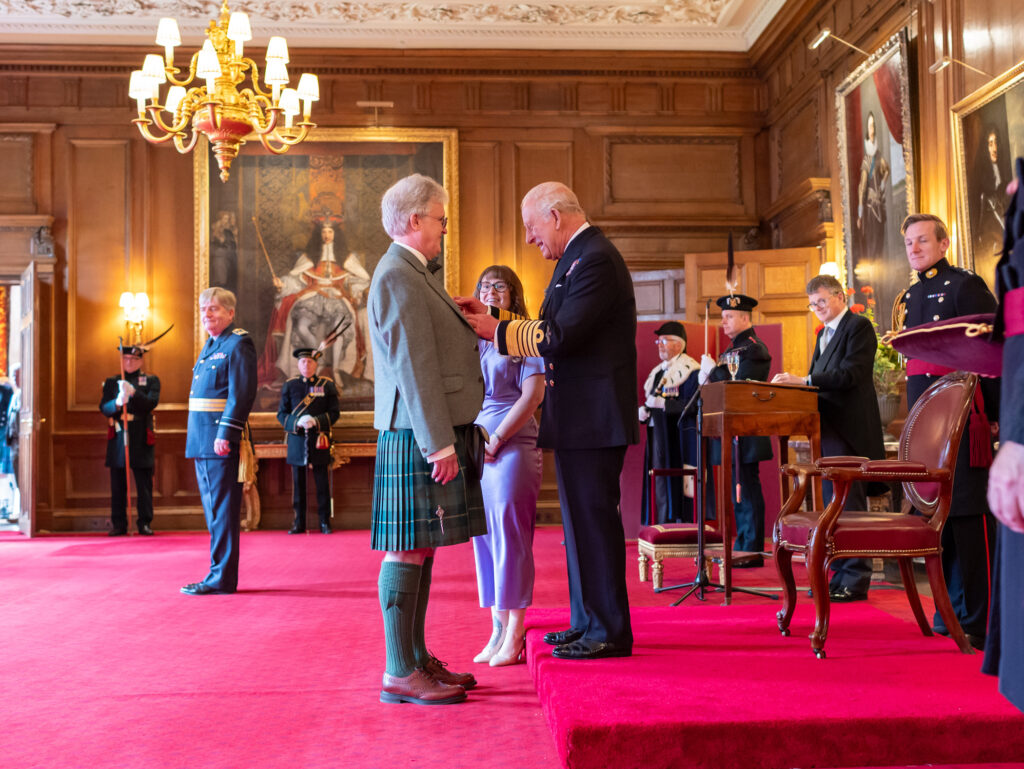
Philip Gerrard MBE
Chief Executive Officer, Deaf Action
Discover other CEO blog posts here.